
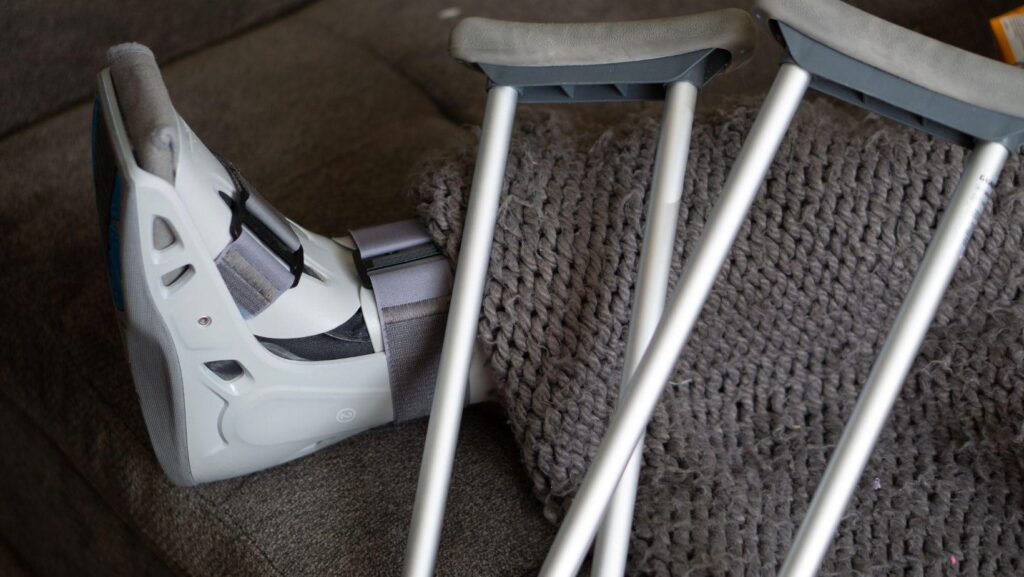
An unexpected physical trauma can instantly turn your everyday routine upside down. Navigating the immediate aftermath of an accident feels overwhelming, but taking calm, structured action makes a huge difference. Following a clear plan helps safeguard your physical health, your financial stability, and your legal rights.
Seek Immediate Medical Attention
Your safety always comes first after experiencing an accident. Even minor discomfort can signal a deeper physical problem that requires quick professional evaluation. Getting checked by a doctor right away creates an official record connecting your symptoms to the event.
Serious trauma calls for extreme care from trained professionals on the scene. Guidelines from Mayo Clinic advise against moving an injured person until emergency responders arrive to conduct a proper evaluation. Remaining still prevents additional trauma as trained paramedics prepare safe transport.
Evaluate Options for a Lawsuit
Understanding your legal rights is a key part of protecting your future after an accident. If someone else caused your harm through negligence, starting a personal injury lawsuit can assist you in recovering financial losses. Taking action early gives your legal team time to investigate facts and preserve perishable evidence.
Legal rules set strict statutes of limitations for filing claims in court. Missing these state-mandated deadlines completely blocks your ability to seek recovery later. Consulting experienced legal counsel early keeps your options open and secures expert advice tailored to your situation.
Your attorney can help you decide whether to settle or take your case to court. Collecting medical records, witness statements, and accident reports early can make your case stronger. Good documentation shows the full effect of your injuries and financial losses.
Staying organized and following your lawyer’s advice throughout the process can improve your chances of a fair result. Knowing your options gives you a better starting point for making decisions about your recovery and future.
Report the Incident to Property Owners or Authorities
Notifying the right entities creates a formal timeline of what transpired. Slip accidents on private or commercial premises need to be logged with management immediately. Car crashes require calling local law enforcement to create an official police report.
Accidents happen far more frequently than most people realize. Statistics from the CDC indicate that over 14 million, or 1 in 4 older adults, report falling every year. Formal reports establish clear documentation regardless of where or how the event occurred.
Ask for a copy of the incident report and keep it with your records. Write down the names and contact info of property managers, witnesses, and officers who responded.
Take photos of the area, including anything that may have caused the accident. Write down the date, time, and what the scene looked like while you still remember. Good documentation can help your claim and give a clearer picture of what happened.
Gather Detailed Records and Proof
Organizing paperwork creates a strong foundation for any financial recovery effort. Keep detailed digital and physical folders containing every record related to your collision or fall. Detailed records prevent defense teams from questioning the extent of your harm.
Key items to gather include:
Clear proof simplifies negotiations with involved parties down the road. Storing receipts regularly prevents misplaced details from hurting your claim value. Maintaining a personal journal tracking daily pain levels adds valuable context to your recovery.
Exercise Caution When Speaking to Insurers
Insurance claims adjusters represent the interests of their insurance corporation, not your personal recovery. They often reach out quickly after an incident seeking recorded statements. Spoken statements can be used to minimize payment amounts or dispute fault entirely.
Directing communication through a legal representative protects your interests. Avoid signing any release waivers or settlement offers before reviewing them with counsel. Accepting early cash offers often forfeits your right to future compensation if medical complications arise.
Focus on Recovery and Mindful Healing
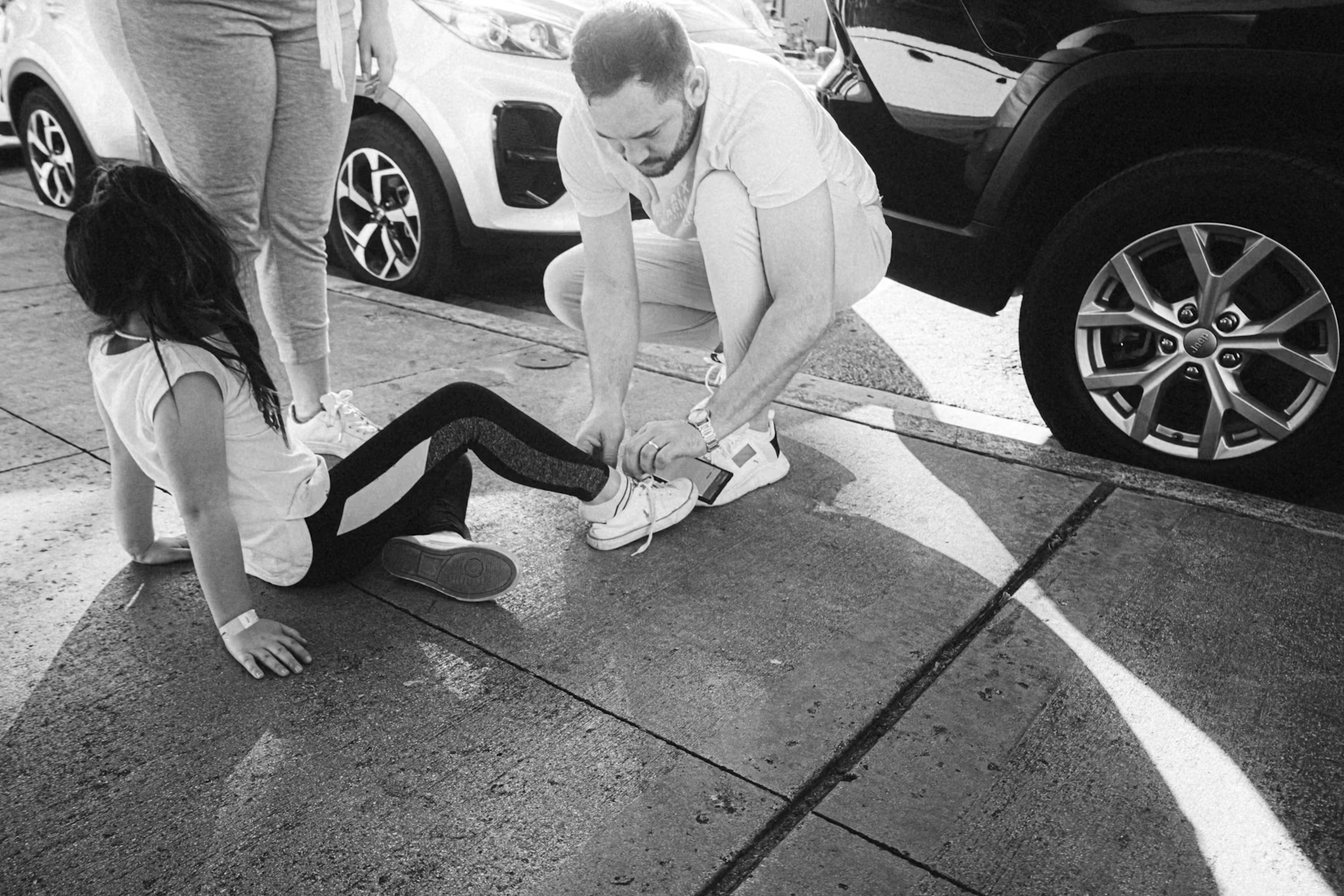
Physical healing requires steady time, rest, and commitment to medical instructions. Attending physical therapy sessions and following physician advice speeds up physical rehabilitation. Managing emotional stress is just as critical as caring for bodily injuries.
A guide from Mind Owl highlights how a sudden physical injury can disrupt every single aspect of your daily routine. Seeking mental health support or mindfulness practices aids emotional adjustment after traumatic events. Rebuilding your routine step by step helps restore peace of mind.
Taking these structured steps sets a solid path toward physical and financial restoration. Protecting your well-being requires a balance of proper medical treatment and smart administrative choices. Working with qualified professionals gives you space to focus entirely on your health.