
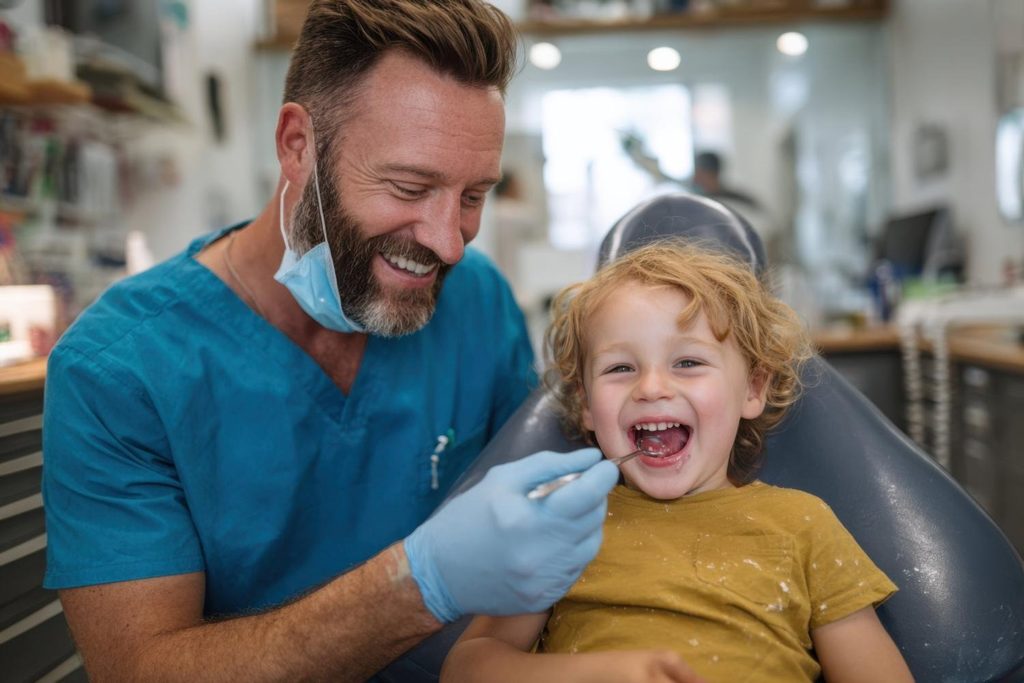
A child’s first visit to the dentist is a small milestone, and like many milestones, it can come with a flutter of nerves, sometimes for the child and often for the parent too. The good news is that with a little preparation and the right approach, a first dental visit can be a positive, even fun experience that sets the foundation for a lifetime of healthy attitudes toward dental care. Nervousness is completely normal, and there is a great deal parents can do to help a child feel safe, calm, and even curious about the whole thing. Here is how to make that first visit a gentle, reassuring one.
Understanding Why Children Feel Nervous
Children are often nervous about a first dental visit simply because it is unfamiliar. A new place, new people, unusual sounds, and a big chair that moves can all feel strange to a young child who does not yet know what to expect. Sometimes nervousness comes from having picked up on an adult’s own anxiety, or from a scary story heard from a sibling or friend.
Understanding that this nervousness is normal and understandable helps parents respond with patience rather than frustration. The goal is not to dismiss the child’s feelings but to gently help them feel safe. When a child senses that a parent is calm and confident about the visit, that reassurance goes a long way, since children take many of their emotional cues from the adults they trust most.
Choosing the Right Dental Practice
One of the most important things a parent can do is choose a dental practice that is genuinely welcoming to children. A practice experienced with young patients understands how to make the environment friendly and the visit gentle, which makes an enormous difference to how a nervous child experiences it.
A practice such as Luna Dental that focuses on caring for children creates an atmosphere designed to put young patients at ease, with a friendly team who know how to explain things in a way children understand and who approach each visit with patience and warmth. When the people and the place are welcoming, much of a child’s nervousness eases on its own. Choosing the right practice from the start means the whole experience is built around helping children feel comfortable, which is exactly what a first visit should do.
Preparing Your Child Before the Visit
A little preparation at home helps a child feel ready rather than surprised. Talking about the visit in a positive, simple way lets the child know what to expect without creating worry. Keep the language light and reassuring, describing the dentist as a friendly helper who counts and checks teeth to keep them healthy and strong.
Reading children’s books about visiting the dentist, or playing a gentle pretend game where you take turns looking at each other’s teeth, can make the idea familiar and even fun. Avoid words that might sound frightening, and steer away from sharing any of your own dental worries. Keeping the tone upbeat and matter-of-fact helps the child absorb the message that this is a normal, positive part of taking care of themselves. Preparation is not about a big serious talk; it is about gently weaving the idea into everyday play and conversation.
Making the Day Itself Go Smoothly
On the day of the visit, a few simple choices help everything go well. Scheduling the appointment for a time when your child is usually rested and cheerful, rather than tired or hungry, sets them up to cope better with something new. Staying calm and positive yourself is one of the most powerful things you can do, since your child looks to you to gauge whether this is something to worry about.
Bringing a favorite comfort item, a beloved stuffed animal or a small toy, can give a nervous child something familiar to hold onto. Offering gentle praise and encouragement for being brave, both during and after the visit, reinforces the sense that they did something good. The American Academy of Pediatric Dentistry (AAPD) also recommends using positive reinforcement and creating a supportive, reassuring environment to help children develop confidence during dental visits.
And celebrating afterward, even in a small way, leaves the child with a happy memory of the whole experience, making the next visit something they approach with far less worry.
Building a Positive Foundation
The way a child experiences their first dental visits shapes how they feel about dental care for years to come. A gentle, positive first experience helps a child grow up seeing dental visits as a normal, unremarkable part of staying healthy, rather than something to dread. That foundation is genuinely valuable, supporting good dental habits and regular care throughout childhood and beyond.
By understanding a child’s nervousness, choosing a welcoming practice, preparing thoughtfully at home, and keeping the day itself calm and positive, parents give their child the best possible start. A first dental visit handled with warmth and patience becomes not a source of fear but a small, reassuring step toward a lifetime of healthy smiles, and often a surprisingly happy day for child and parent alike.