
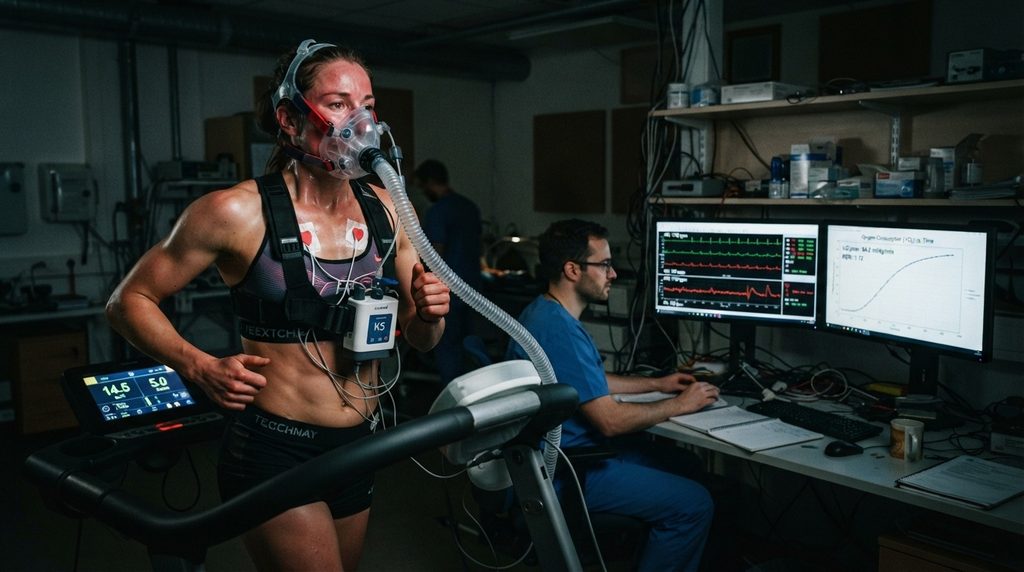
The traditional perception of athletic training—characterized by endless repetition, sheer willpower, and basic trial-and-error coaching—has undergone a radical transformation. Today, elite sports organizations, Olympic federations, and individual competitors rely heavily on advanced sports science, biometric tracking, and predictive analytics to optimize human performance. By shifting the focus from subjective fatigue to objective physiological metrics, modern sports science allows coaches and athletes to unlock hidden reserves of endurance, prevent catastrophic injuries, and precisely calibrate training loads for peak competition days.
1. Biometric Monitoring and Physiological Optimization
Understanding how the human body reacts to extreme physical stress requires continuous, real-time data collection during active training sessions.
- Lactate Threshold Mapping: Monitoring blood lactate accumulation allows exercise physiologists to determine the exact intensity ceiling an athlete can maintain before muscular fatigue sets in.
- Cardiovascular Variability (HRV): Tracking resting heart rate variability provides deep insights into an athlete’s autonomic nervous system, helping coaches identify overtraining symptoms and mandatory recovery windows before injuries occur.
- Biomechanics and Gait Analysis: High-speed motion capture cameras and force plates analyze running mechanics down to the millisecond, correcting microscopic inefficiencies that waste precious energy over long distances.
2. Digital Hardware and Computational Sports Analytics
Analyzing massive streams of real-time biometric telemetry, wearable sensor data, and video footage demands robust computational infrastructure. Sports scientists, performance directors, and biomechanists rely on high-performance mobile workstations, specialized multi-core processing units, and high-speed local data storage arrays to process complex datasets instantly on the sidelines or in training labs. For sports science departments and coaching staff needing reliable ruggedized laptops, precision monitoring peripherals, and fast storage drives, specialized platforms like париматч provide immediate access to the technical hardware required to maintain seamless data workflows.
3. The Future of Personalized Recovery and Longevity
As sports science continues to merge with artificial intelligence and genomic research, training regimens are becoming hyper-personalized down to the individual genetic profile. Future athletic programs will increasingly utilize predictive machine learning models to tailor nutrition, sleep architecture, and rehabilitation protocols precisely to an athlete’s unique biological makeup. This relentless pursuit of data-driven optimization ensures that human endurance will continue to shatter historic boundaries while prioritizing long-term physical health and career longevity.