

Spending time outside with your children offers an excellent opportunity to teach valuable life skills. Maintaining a yard requires patience, consistency, and a basic understanding of nature. When you involve your kids in weekend yard work, you turn chores into shared accomplishments. These outdoor moments teach lessons that stretch far beyond the property line. Working together outside keeps everyone active and engaged.
The Backyard Classroom
Working in the soil introduces kids to natural cycles right outside their back door. A recent publication explained that teaching children about yard maintenance helps them grasp sustainability concepts and understand how plants fit into the broader ecosystem. They learn how soil, water, and sunlight interact to support life.
This hands-on education builds a sense of environmental responsibility from a young age. Kids see the direct results of their labor as the grass changes through the seasons. You can explain how healthy roots prevent soil erosion during heavy rainstorms.
Watching seeds sprout teaches children about the timeline of plant growth. They begin to notice how insects and birds interact with different areas of the property. This simple observation practice builds scientific curiosity without requiring a formal classroom setup.
Equipment Choices for the Yard
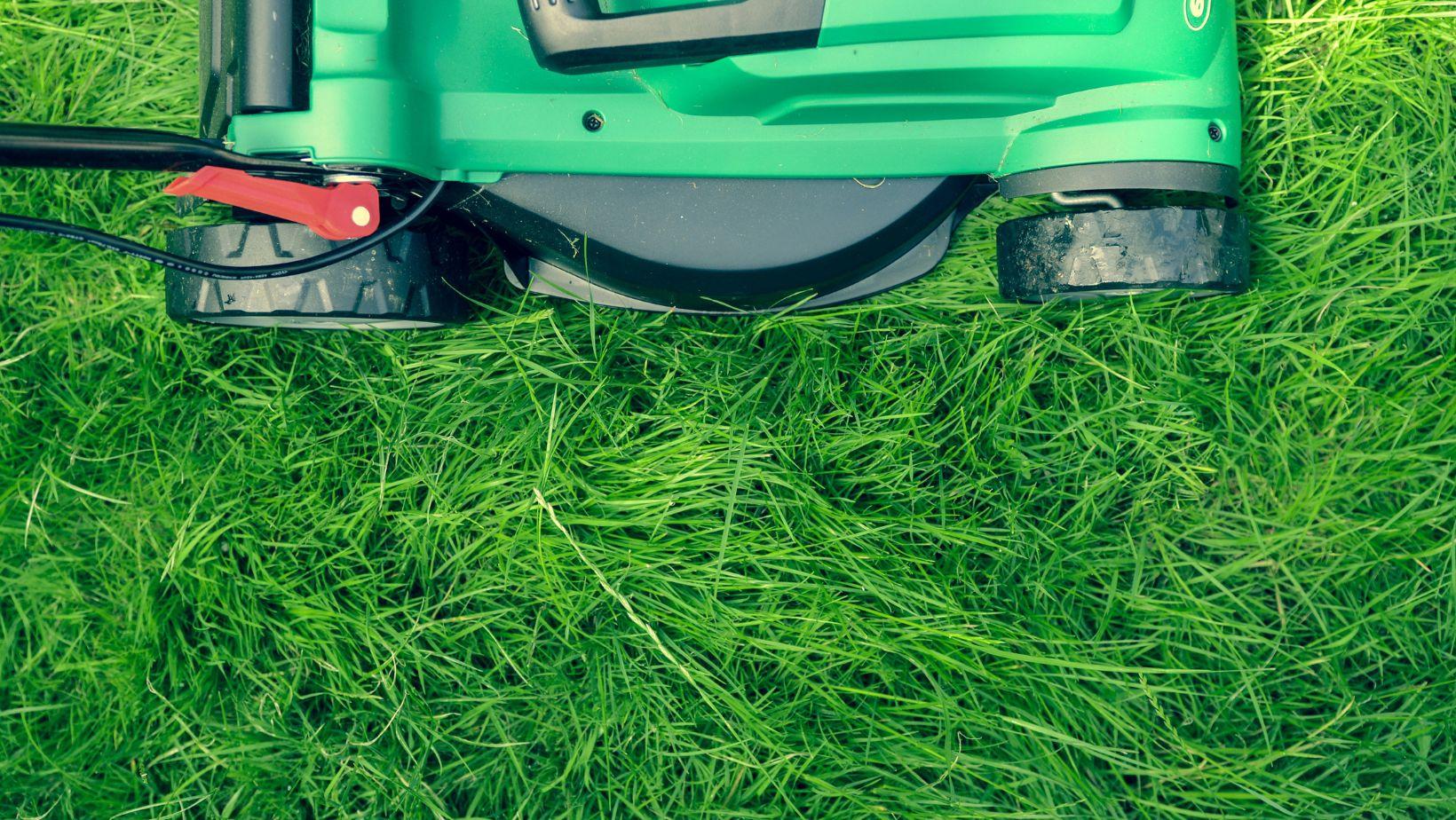
Selecting the right gear makes outdoor chores much more manageable for the entire family. Many families choose electric push mowers for homeowners to keep their yards looking pristine without dealing with gas and oil. These modern tools offer a lighter alternative that simplifies basic yard maintenance. Having reliable equipment keeps the work moving smoothly and safely.
Modern battery tools reduce the noise levels compared to traditional gas engines. This makes the outdoor working environment much more pleasant for younger children helping nearby. It also allows parents to give verbal instructions without shouting over a loud motor.
Mowing Age and Safety Limits
Operating heavy machinery requires maturity and strict attention to safety guidelines. Data compiled by a pediatric medical center revealed that lawnmower accidents send thousands of minors to emergency departments every single year. This sobering statistic highlights why adults must supervise yard activities closely.
Before allowing a teenager to assist, walk the property together to look for hidden hazards. Small rocks, sticks, and toys can become dangerous projectiles if struck by a spinning blade. Teaching kids to clear the yard beforehand builds a habit of situational awareness.
Fertilizer and Pesticide Boundaries
Yards sometimes need extra nutrients or weed control to stay healthy, but these products require careful handling. Young children need to know that treated grass is off limits for a specific period. A guide on turf management recommended keeping children and family pets off the lawn for at least 48 hours after applying granular treatments.
This waiting period allows the granules to dissolve and move down into the soil properly. The same caution applies when dealing with liquid pest control sprays. A health safety report stated that parents must read product labels carefully and restrict children from playing on lawns treated with weed killers for a minimum of 48 hours.
- Teach children to look for warning flags placed in the yard.
- Store all lawn chemicals on high shelves in locked garage cabinets.
- Wash hands thoroughly after handling any outdoor tools or soil mixtures.
- Keep shoes worn during yard work near the entrance door to avoid tracking trace amounts inside.
Smarter Product Application
Teaching kids about yard care means showing them how to protect local wildlife and water sources. Blanket chemical applications over an entire lawn can create unnecessary runoff. A professional lawn care update suggested that spot treating specific weeds minimizes the total amount of product introduced to the environment.
This method teaches kids that blanket solutions are rarely the best approach to complex problems. They learn to evaluate the specific needs of individual lawn sections instead of treating everything uniformly. This precision mindset applies to many other areas of life and problem-solving.
The Physics of Healthy Grass
Cutting grass correctly keeps the lawn resilient against heat and drought. Kids often want to cut the grass as short as possible so they do not have to do it again soon. A beginner lawn care guide suggested setting the mower blade to its highest level and never removing more than 1/3 of the grass height during a single session.
Taller grass blades create deeper root systems by shading the soil from the hot summer sun. This simple rule teaches children that patience yields better long-term results than rushing a job. They learn to monitor rainfall totals to judge when the grass actually needs a trim.
Sharing yard care tasks creates lasting memories and instills a strong work ethic in the next generation. Children gain practical skills that serve them well when they eventually manage their own living spaces. Working side by side allows families to connect away from screens and digital distractions. The time invested in your lawn pays dividends in your children’s growth and confidence. A beautiful yard becomes a reflection of teamwork and shared family pride.