
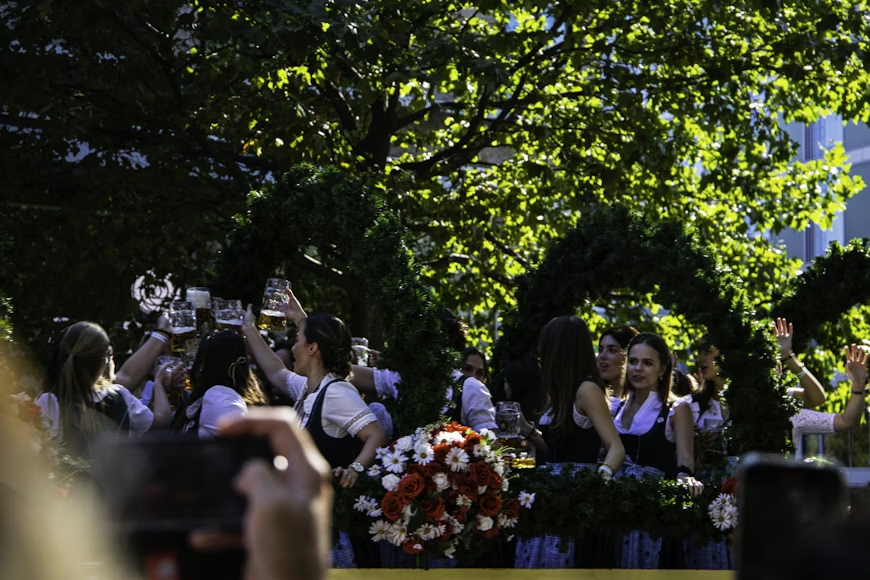
Oktoberfest began in Munich, Germany, but these days it’s gone global. Each year, around seven million people head to Munich just for this festival. There’s the beer, of course, but Oktoberfest’s real appeal lies in the music, dancing, and the proud display of Bavarian costumes. Events like the iconic Oktoberfest in Munich set the standard for celebrations around the world.
Munich may be where Oktoberfest began, but the celebration has spread around the world. Today, you can find Oktoberfest events everywhere from Japan to Argentina, with local hosts serving traditional food, live music, and colourful parades to keep the Bavarian spirit alive.
These festivals are about more than beer and pretzels. Oktoberfest brings people together, letting them share culture, laugh, dance, and enjoy the moment—no matter where they are in the world.
Oktoberfest’s Origins
Oktoberfest began in Munich in 1810 as a big celebration for a royal wedding. Locals gathered in an open field to enjoy food, drinks, and even horse races. Everyone loved it so much that they decided to celebrate again the next year, and a tradition was born.
Over the years, that one-time party grew into Bavaria’s biggest festival. Today, Oktoberfest runs from mid-September to early October and attracts around six million visitors. It’s famous for its beer, with millions of litres enjoyed every year in all kinds of rich and refreshing styles.
But Oktoberfest isn’t just about beer. Huge tents fill the festival grounds, each with its own vibe, music, and special brews from Munich’s local breweries. Inside, lively brass bands keep the mood upbeat and fun.
The food is just as important. Think sausages, soft pretzels, and hearty potato dishes that are perfect for cool autumn days. Outside the tents, there are parades, rides, and plenty of fairground fun for all ages.
While Oktoberfest is now celebrated around the world, its heart is still in Munich, where the traditions and spirit of that first celebration live on.
Major Oktoberfest Celebrations Around the World
Blumenau, Brazil
Blumenau is in southern Brazil, but when October comes, it feels a lot like Germany. Founded by German settlers in 1850, the city still shows its roots through timber-style buildings and places like Parque Vila Germânica, which becomes the heart of its Oktoberfest celebrations each year.
Since 1984, Blumenau’s Oktoberfest has filled the city for about three weeks every October, attracting up to 700,000 visitors. The festival mixes Bavarian traditions with Brazilian energy, featuring folk dancing, parades, music, and fun events like *Chope em Metro*, where people try to drink beer from a one-metre-tall glass.
Food and beer are a big part of the fun. Visitors can enjoy German favourites like goulash, spätzle, pretzels, and well-known beers such as Spaten and Löwenbräu. For those curious about the city’s brewing history, the Beer Museum is worth a visit. If Munich feels too far, Blumenau offers a lively Oktoberfest experience with its own unique twist.
Kitchener-Waterloo, Canada
Kitchener and Waterloo may be two cities, but during Oktoberfest they come together for one of Canada’s liveliest celebrations. With strong German roots—Kitchener was even called Berlin until World War I—the festival feels right at home.
Every October, the nine-day event sees locals and visitors wearing lederhosen, enjoying pretzels and schnitzel, and raising their steins together. The highlight is the Thanksgiving Day parade, the only one in Canada for that holiday, attracting more than 150,000 spectators with colourful floats, bands, and performers.
Oktoberfest here perfectly blends Canadian and German traditions, making it a fun and unforgettable experience for anyone visiting in October.
Cincinnati, USA
Oktoberfest Zinzinnati in Cincinnati is the biggest Oktoberfest in the U.S., thanks to its strong German-American roots. The festival mixes Munich’s spirit with Cincinnati’s own fun style.
A highlight is the Running of the Wieners, where dachshunds race in hot dog costumes—always a hit with the crowd. Later, thousands join the World’s Largest Chicken Dance, flapping and twisting together to the famous tune.
There’s plenty to eat and drink, from local beers and German pints to bratwursts, potato dumplings, and pretzels. It’s a lively, welcoming mix of German tradition and American fun that makes the festival unforgettable.
Yokohama, Japan
Yokohama’s Oktoberfest brings a true taste of Bavaria to Japan. Authentic German beers are served, and lively German music fills the air, giving the festival a real Oktoberfest feel.
But it’s not just a copy of Munich. Japanese craft beers are also on tap, letting visitors enjoy both local and German flavors.
Food is a mix too—classic German sausages and pretzels sit alongside Japanese dishes. This blend of traditions makes Yokohama’s Oktoberfest unique, fun, and memorable for everyone.
Unique Features of Global Oktoberfest Celebrations
Every country adds its own twist to Oktoberfest, keeping the Bavarian feel while making it fresh and new.
In Blumenau, Brazil, the festival bursts with energy—folk dances, beauty contests, and big parades mix German tradition with Brazilian flair. Food is a tasty mix too, from goulash to spätzle with local touches.
In Kitchener, Ontario, Canada, German roots shine during a nine-day celebration, ending with a unique Thanksgiving Day parade. The festival feels both German and Canadian.
Oktoberfest Zinzinnati in the U.S. is famous for the Running of the Wieners and the world’s largest Chicken Dance. Lederhosen meet American fun, with food stands, beer tents, and families enjoying the festivities together.
In Yokohama, Japan, German beers and Japanese craft brews flow alongside sausages and local bites. German bands play while cultures mix perfectly.
Wherever it’s held, Oktoberfest keeps its Bavarian roots but adds local flair, making each festival unique and memorable.
Why Oktoberfest Remains a Worldwide Sensation
Oktoberfest has a knack for bringing people together, no matter where they are. What started as a Bavarian celebration for a royal wedding has become a worldwide event, showing just how easy it is for good food, music, and laughter to cross borders.
At the centre of every Oktoberfest, you’ll find more than just beer. It’s about the sound of Bavarian bands, the whirl of folk dances, and everyone piling their plates high with bratwurst and pretzels. This contagious spirit appeals to people from all backgrounds, making everyone feel like part of the same long table.
What really stands out is how these festivals help people understand and appreciate different cultures. Cities like Blumenau in Brazil give the event a tropical twist, mixing German music with samba rhythms, while in Cincinnati, the festival feels right at home with a big American parade and even bigger servings. Each place adds its own flavour, but the welcoming vibe stays the same.
Oktoberfest celebrations also give tourism a welcome boost. Towns and cities hosting their own versions see crowds flock in, filling hotels, eating out, and making memories. The draw isn’t just about what’s in your stein—it’s the sense of togetherness, the fun, and the chance to celebrate local traditions alongside German ones.
No matter which city you find yourself in come autumn, Oktoberfest’s cheerful atmosphere and focus on shared celebration help create connections that last long after the final toast.
Exploring the Future of Oktoberfest Celebrations
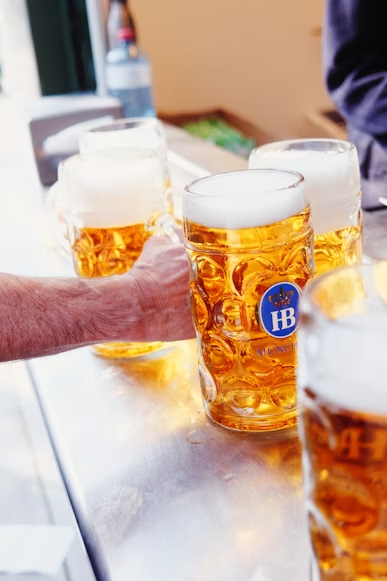
To keep Oktoberfest alive in the future, both organisers and guests will need fresh ideas and eco-friendly habits. Festivals are focusing more on cutting waste with local food, reusable cups, and encouraging public transport.
Weather changes could also affect the event, with extreme heat or storms leading to new dates or venues to keep everyone safe.
Technology is creating new ways to join in. Virtual reality lets fans take part from anywhere, connecting people worldwide without leaving home.
But traditions remain at the heart of Oktoberfest. Music, food, and laughter bring people together. Local events help keep customs alive, with Bavarian dishes, folk tunes, and stories passed down through generations, letting the festival’s spirit reach far beyond Munich.